
← Financial Modeling in Excel from Scratch
Lesson
Profit ≠ cash: accrual vs. cash, and diagnosing the gap
Explain why a profitable company can run out of cash, telling apart the accrual basis and actual cash flow.
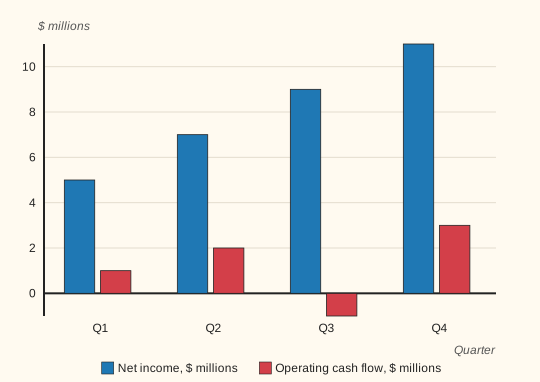
Profit and cash flow: a typical gap
The company is profitable but short of cash
The accrual basis recognizes revenue at shipment, but the cash may arrive much later — hence the gap between profit and cash.
Lesson notes
Why profit and cash are different things
Many beginners in finance are surprised: the company is profitable on paper, but there's no cash in the bank. The reason is two different approaches to recognizing revenue and expenses.
The accrual basis (accrual accounting): revenue is recognized when goods are shipped or a service is delivered, not when the customer pays. An expense is recognized when a resource is used up, not when cash is paid to the supplier. This is the method used in the P&L.
Cash basis / actual cash movements: cash counts only when it actually enters or leaves the account. The Cash Flow Statement shows this. Three typical gaps: (1) A sale on credit — shipped, revenue and profit in the P&L, customer hasn't paid → receivables grow, no cash. (2) Buying inventory — cash spent, goods unsold → no expense in the P&L yet, cash already gone. (3) Supplier credit — goods received and sold, expense in the P&L, supplier unpaid → payables grow, cash stays for now.
The takeaway: to judge whether a company will survive the next few months, look at cash flow first. Profit is an important measure of efficiency, but companies go bankrupt from running out of cash, not from running out of profit.