
Understand how acid freshens and balances fatty and sweet foods, while fat carries flavor and softens heat.
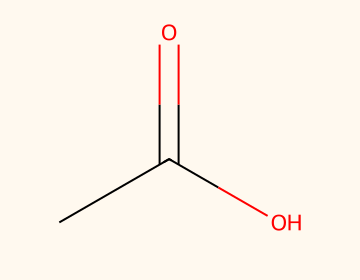
The acetic acid molecule
The main acid in the kitchen
Vinegar, lemon juice, and buttermilk get their tang from organic acids. Acetic acid (CH₃COOH) is the simplest of them and the basis of table vinegar.
Lesson notes
Lemon with fatty food is no accident
Acid (lemon juice, vinegar, tomatoes, tart berries) brings contrast and “freshness” to a dish's flavor. A fatty, heavy dish tastes lighter and brighter after a drop of acid. That's why lemon is served with fatty fish, pickled onions and vinegar with grilled kebabs, and a spoonful of sour cream or a drop of vinegar with a rich soup. Acid seems to “cut through” fat and keeps a dish from being cloying or getting tiresome.
Acid also balances sweetness. Jam or a sauce that has only sugar in it quickly gets tiresome. Add a little citric acid or lemon juice, and the flavor comes alive while the sweetness stops being overbearing. The classic sweet-and-sour pairing (sauces for meat, Asian cooking) rests on exactly this balance.
Fat plays a different role. First, many aroma and flavor compounds dissolve in fat, not in water, so fat carries flavor. That's why spices, onions, and garlic are fried in oil: the oil draws out their aroma and spreads it through the dish. Second, fat coats the tongue, gives a sense of richness, and smooths out harsh flavors. Cream or a pat of butter softens a dish that's too spicy or too sour.
The principle: if a dish seems heavy or cloying, add acid. If it's flat, harsh, or too spicy, fat may help. Salt, acid, and fat are knobs you tune flavor with; the fourth, umami, comes in the next lesson.