
← Financial Modeling in Excel from Scratch
Lesson
What a model is for: the “assumptions → calculations → outputs” logic
Explain that a financial model is a structured calculation of the future based on assumptions, and tell apart the model's three layers: input data, calculations, and outputs.
The three layers of a financial model
One-way flow: from assumptions to outputs
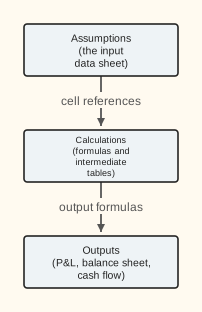
Every financial model works like an assembly line: assumptions feed the calculations, and the calculations produce the final reports.
Lesson notes
A financial model: a calculation, not a prediction
A financial model is a structured calculation of future financial results based on assumptions. The key word here is “assumptions”: a model doesn't predict the future; it answers the question “what will happen IF these assumptions hold?” For example: “if we sell 1,000 units at $500 each, with costs of $300 per unit, what will the profit be?”
Why build a model? First, to test an idea before any money is spent. Second, to compare options: “which is better — renting a warehouse or buying one?” Third, to see your future cash position and plan financing ahead of time.
A model consists of three layers that always run in one direction: Inputs / Assumptions → Calculations → Outputs / Conclusions. This one-way flow makes the model easy to follow: anyone can trace where a number came from. If the input data changes, the outputs recalculate automatically.
An important disclaimer: this course is for educational purposes only and is not investment advice. You can build a model in any tool — Excel, Google Sheets, or other spreadsheets: the principles work everywhere.