
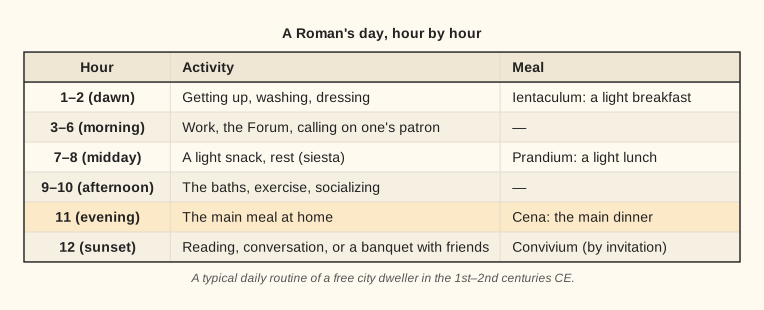
Put what you've learned together into a single picture: how the first half of an ordinary city dweller's day went.
An ordinary Roman's daily routine
Twelve hours between dawn and sunset
The Roman day was divided into 12 equal hours from sunrise to sunset — longer in summer, shorter in winter.
Lesson notes
Dawn, greeting the patron, business
A Roman's day began at dawn — there was little artificial light, and life followed the sun. The full day was divided into 12 daytime and 12 nighttime hours, but the hours were “stretchy”: a daytime hour was longer in summer and shorter in winter, because the whole span from sunrise to sunset was always divided into twelve.
Once up, a Roman washed and ate a quick breakfast (this was called the ientaculum) — bread with olives, cheese, sometimes the leftovers from the day before. Breakfast was light; no one sat down to a lavish table in the morning.
Next, a client of modest means had an important task — the salutatio, the morning greeting of his patron. Poor and dependent people went to their patron's house at daybreak to pay their respects and in return received a small handout (the sportula) — money or food — or help with their affairs. This whole system of mutual obligations, “patron and client,” held society together. Then the real work began: the shop, the workshop, the courts, or the market.