
Learn how wealthy Romans held their banquets: the triclinium, the couches, the courses.
The triclinium: how people sat (or rather, reclined) at a feast
Three couches, nine places
“Triclinium” literally means “three couches” — that's how many stood around the table at a feast.
Lesson notes
The triclinium and its three couches
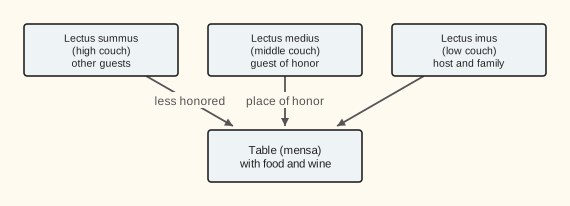
Wealthy Romans made the dinner party — the cena — the main event of the day. They ate not sitting on chairs but reclining, propped on the left elbow. The dining room was called the triclinium — literally “three couches”: three wide couches were set in a U shape around a low square table, and servants brought the dishes from the fourth side. Each couch held three guests — nine in all, which was considered the ideal number.
The places were not equal: there was the “honored” couch and a place of honor on it. Where they put you showed your status in the host's eyes. Guests came in special light clothing, and before the meal their feet and hands were washed.
The dinner had three parts: appetizers (gustatio) — eggs, olives, salads; the main courses (primae mensae) — meat, poultry, fish in sauces; and dessert (secundae mensae) — fruit, nuts, honey sweets. Between courses people talked and listened to music or poetry. Hence even the saying “from the egg to the apples” — that is, from the start of the meal to its end.