
← The Green Windowsill: Houseplants Without Casualties
Lesson
Lesson 1. The “light — water — roots” system in action
Bring the whole course together into one algorithm for diagnosis and care, and test yourself on cases that put it all together.
Plant diagnosis step by step
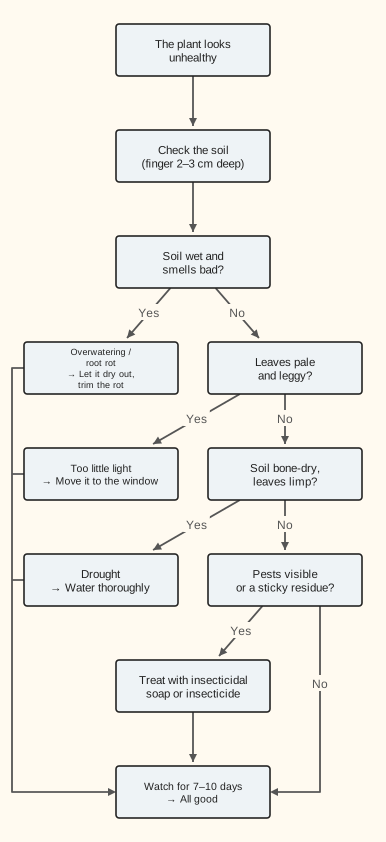
Diagnosis algorithm, step by step
When something goes wrong, follow the algorithm: from the most obvious to the hidden. Most problems are solved in the first two steps.
Lesson notes
What to do when something's wrong with a plant
Let's bring the whole course together into a simple sequence. When a plant is struggling, don't panic and don't “treat everything at once” — go down the chain light → water → roots.
1. Light. Is there enough light for this species? Has it stretched out (too little light)? Any sunburn on the sunny side (too much light)? If it doesn't match, move the plant.
2. Water. Check the soil with your finger. Constantly wet — you're overwatering (the most common cause of trouble). Dried out rock-hard — you're underwatering. Adjust: water by the soil, deeply, and pour off the excess.
3. Roots and pot. Is there a drainage hole? Is the plant standing in water? If you suspect rot, take it out, inspect the roots, trim off the rotten parts, and repot into fresh, loose potting mix.
4. Pests and nutrition. Inspect the leaves (undersides, axils) for pests. A yellow leaf with green veins — think about feeding or repotting.
5. Is it just normal? One old lower leaf has yellowed but the plant is growing — that's natural; nothing needs doing.
The main idea of the course: most plant “murders” come down to overwatering and a light mismatch, not a “black thumb.”